Farming systems for improved nutrition: A formative study
International literature accords immense importance to agriculture interventions in order to achieve better health and nutrition. It stresses the importance of women’s engagement, diversified production and consumption, and incorporation of other health and nutrition services into the agriculture extension services. Little is understood how communities perceive these dimensions in building their farming systems for better nutrition, particularly in the context of Bangladesh.
Stakeholder Perceptions of Agriculture and Nutrition Policies and Practice: Evidence from Afghanistan
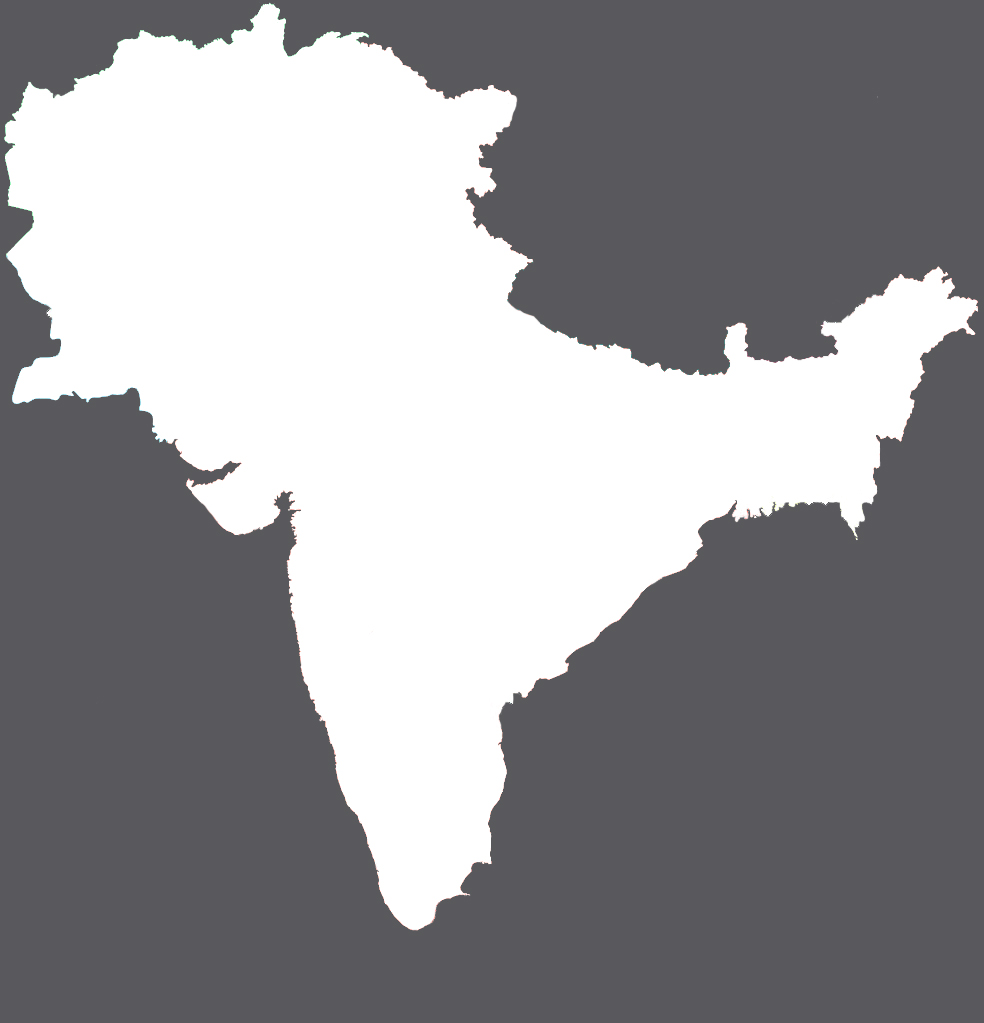
Like in other countries in the South Asian region, malnutrition is a serious problem in Afghanistan: the latest national statistics confirm high rates of stunting among vulnerable groups such as children under the age of five (nationally 40 per cent and in certain provinces over 70 per cent) (UNICEF 2014). Additionally, micronutrient deficiencies are strongly implicated in malnutrition among women and adolescent girls (Flores-Martinez et al. 2016), conditions which are likely to perpetuate the generational consequences.
The Role of Irrigation in Enabling Dietary Diversity in Afghanistan
This paper adds to the sparse literature on irrigation-diet linkages by contributing fresh evidence from Afghanistan and addresses the lacuna regarding the pathways through which such linkages may operate. Using data from the latest round of the nationally representative Afghanistan Living Condition Survey (2013-14), this study explores the role of irrigation in dietary diversity in Afghanistan. Results show that possession of irrigated land and garden plots are positively associated with household dietary diversity.