India: Country synthesis brief
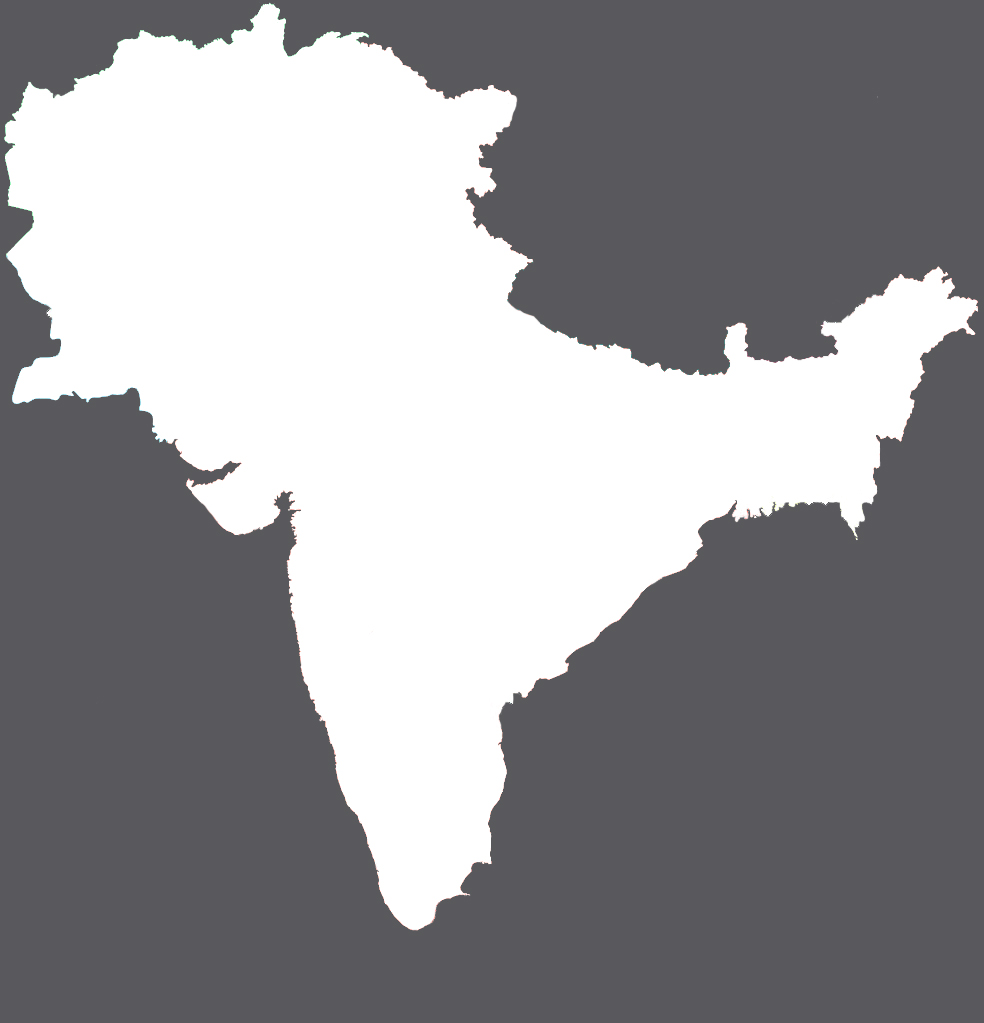
Agriculture policies, programmes and schemes are at both national and state level in India. There is much scope for governments to be proactive and take initiatives while responding to requirements within the state. The Leveraging Agriculture for Nutrition in South Asia (LANSA) research programme consortium aims to enhance the impact of agriculture on maternal and child nutrition in India.
An Analysis of Protein Consumption in India Through Plant and Animal Sources
India became self-sufficient in food because of the Green Revolution in the 1960s. However, both the technological innovation and policy support have been biased toward cereals. It is expected that cereals are the major source of proteins in the diet. In recent years, the consumption of cereals is declining in spite of increasing output due to declining preference.
Would the People of Chhattisgarh Prefer Cash Transfers instead of Foodgrain?
The overwhelming and consistent preference for grain over cash is striking, especially since this preference was expressed by both men and women, irrespective of class, age, or community. It is useful to examine reasons for this sharp preference for grain over cash against the background of national debates about cash transfers.