Women’s Empowerment Mitigates the Negative Effects of Low Production Diversity on Maternal and Child Nutrition in Nepal
We use household survey data from Nepal to investigate relationships between women’s empowerment in agriculture and production diversity on maternal and child dietary diversity and anthropometric outcomes. Production diversity is positively associated with maternal and child dietary diversity, and weight-for-height z-scores. Women’s group membership, control over income, reduced workload, and overall empowerment are positively associated with better maternal nutrition.
Women's Empowerment in Agriculture Production Diversity, and Nutrition: Evidence from Nepal
With the increasing recognition that agricultural growth and development do not necessarily translate into improved nutrition outcomes, policymakers are increasingly grappling with how to design and implement agricultural policies and programs that can also achieve nutritional objectives. Agriculture has direct links to nutrition in that it provides a source of food and nutrients and a broad-based source of income, as well as directly influencing food prices. Gender roles mediate these linkages, particularly in relation to increased food availability and increased income.
Assessing the Effectiveness of Agri-Food Value Chain Interventions Aimed at Enhancing Consumption of Nutritious Food by the Poor: Conceptual Framework
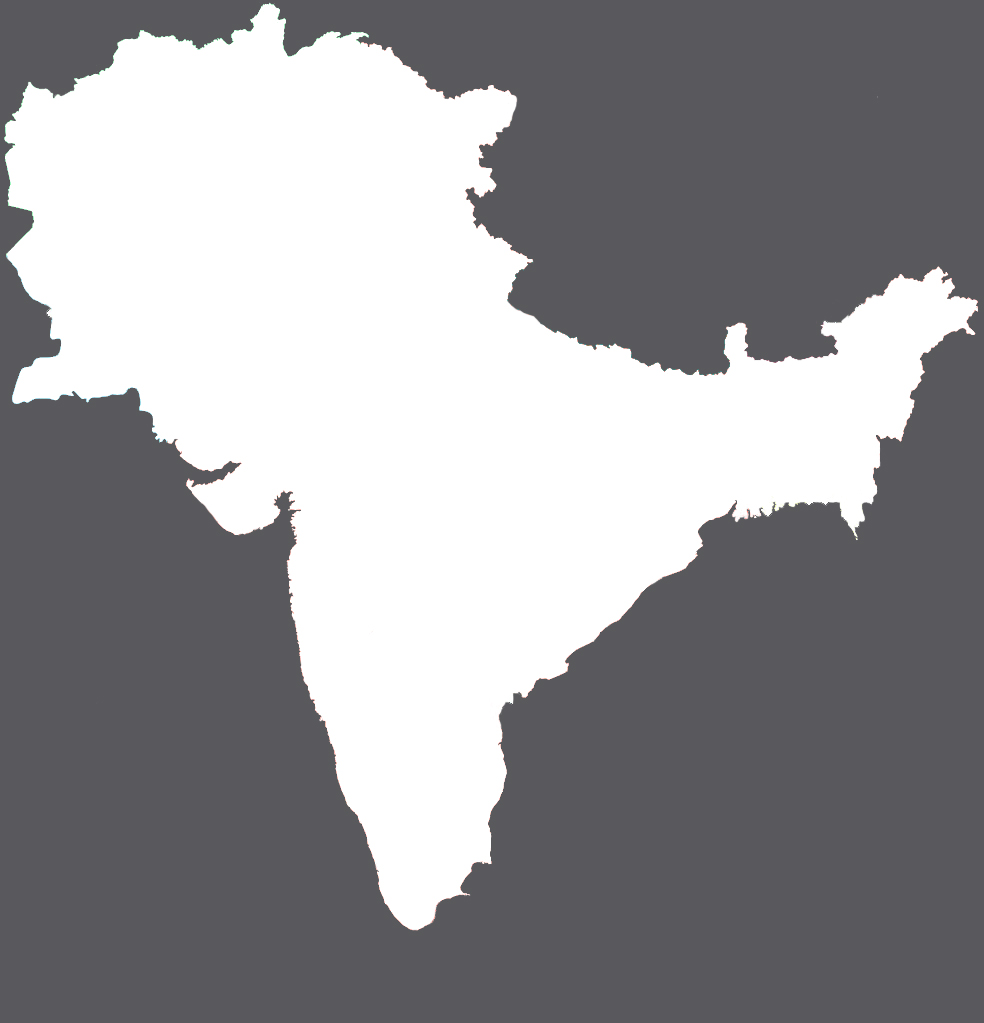
South Asia has experienced rapid economic growth, yet it still has the highest rate of child malnutrition in the world, and half the population is undernourished. Besides children, undernutrition among women and adolescent girls is also a major concern. The lack of progress in solving undernutrition, in all its guises, reflects in part the complexity of factors involved.